Tips for Riding With a Sidecar

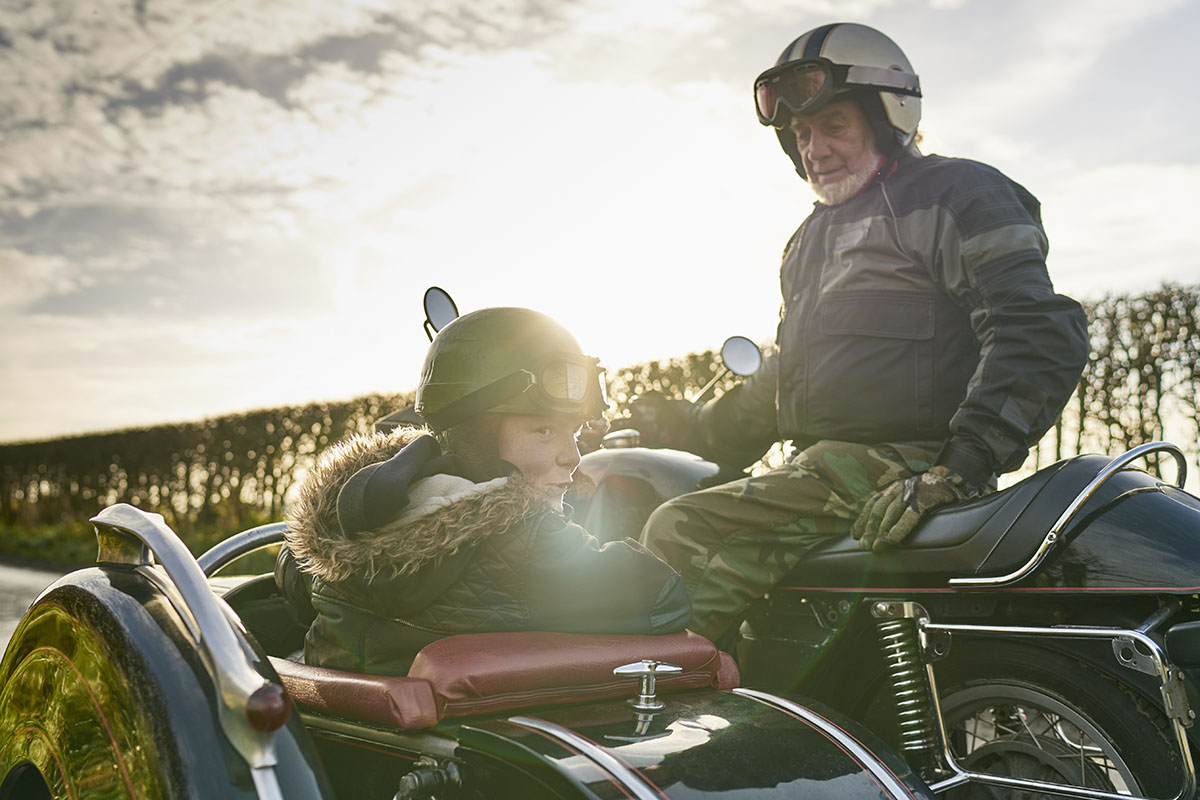
Riding a motorcycle with a sidecar looks pretty straightforward, but in reality it is a very different experience from being on two wheels. Once you add a sidecar, you’re no longer riding a motorcycle that can lean and countersteer the way you’re accustomed. You’re piloting a three-wheeled rig with its own quirks and characteristics. Even experienced motorcyclists can find their first few rides surprisingly challenging.
The good news? Sidecar riding gets much easier once you understand how the distinctive setup behaves. A little preparation, some practice, and a healthy respect for physics can help you make a smooth transition from two wheels to three.
Get Your Weight Distribution Right
One of the biggest differences with a sidecar is how much weight distribution affects handling. The sidecar adds a significant amount of weight to one side of the motorcycle, and where you place additional cargo or a passenger can change accelerating, braking and turning.
An empty or lightly loaded sidecar is especially important to pay attention to. During a right-hand turn, the sidecar wheel can lift as centrifugal force shifts weight away from it. The faster and sharper you make the turn, the more pronounced that effect can become.
That doesn’t mean you should be afraid of the sidecar lifting. It means you should understand why it happens and not be surprised.
Adding ballast to an empty sidecar will help make it more predictable. Riders use everything from sandbags to barbells as additional weight during initial practice. If you decide to add ballast, make sure it’s properly secured and stays within the sidecar’s and motorcycle’s load limits.
Remember that more weight isn’t automatically better. A heavier sidecar also affects acceleration and braking. Take cargo placement seriously, keep heavier items low and secure, and check your owner’s manual for recommended weight limits.
Slow Down Before the Turn
If there’s one habit solo motorcycle riders need to rethink, it’s the instinct to carry speed into a corner.
With a sidecar, turn direction matters. If the sidecar is mounted on your right, a right-hand turn can cause the sidecar wheel to lift, while a hard left turn can shift weight in the opposite direction and potentially reduce traction at the rear wheel. Because of this, evaluate the turn, reduce speed before entering it, and accelerate gradually as you exit.
The key is smoothness. Brake before the corner, make your steering input deliberately, and avoid sudden throttle changes. You can also shift your body weight toward the inside of the turn to help manage the rig.
A sidecar’s dynamics differ from a trike and no two sidecar setups will behave the same.
Make Sure the Sidecar Is Aligned
Before worrying about your riding technique, make sure the machine itself is set up correctly.
Sidecar alignment involves several measurements, including toe-in and the motorcycle’s lean-out away from the sidecar. Proper alignment helps the rig track straight and reduces unwanted pulling during acceleration and braking.
If the motorcycle constantly wants to pull in one direction, the steering feels unusually heavy, or the rig doesn’t track straight, don’t simply assume that’s part of the sidecar experience. Alignment could be the culprit.
If you’re installing a sidecar yourself, follow the manufacturer’s specifications closely. If you’re unsure about the setup, having a qualified technician inspect it can save you plenty of trouble down the line.
Practice Before You Hit the Road
The best place to learn sidecar riding isn’t a busy intersection. It’s an empty parking lot or another wide, flat, and safe area where you have plenty of room to experiment.
Start slowly. Practice accelerating in a straight line, braking, making wide turns, and getting a feel for how much steering input is required. Then gradually work your way into tighter turns. Keep practicing until you’re comfortable with the differences, including the feeling of having the sidecar lift in a controlled environment.
Try the exercises with different loads so you can understand how cargo changes the handling.
Prepare Your Passenger
As with riding two-up on a motorcycle, it is important to brief a first time passenger before going on a ride. Ensure they are wearing the proper protective gear as one would on a motorcycle and prepare them for what to expect so there aren’t any surprises for either of you.
Explain how the machine will behave and where you plan to ride. They should avoid sudden movements and keep their hands and feet inside the sidecar when moving. Be sure to educate them on how to safety get in and out so they don’t put their hands on a hot engine or exhaust pipe.
It is helpful to have a set of signals established beforehand, as it will be difficult to communicate at speed while wearing helmets.
Three Wheels, New Rules
A sidecar can open up an entirely different side of motorcycling. You get extra carrying capacity and room for a friend, family member, or even a four-legged riding companion, without giving up the open-air experience that make motorcycles so much fun.
But don’t let the extra wheel fool you into thinking the learning curve disappears. A sidecar changes how your motorcycle behaves. Get the alignment right, pay attention to weight distribution, slow down for corners, and, above all, practice until things feel familiar.
Aysia Jackson
You might also like


