Carburetors vs. Fuel Injection

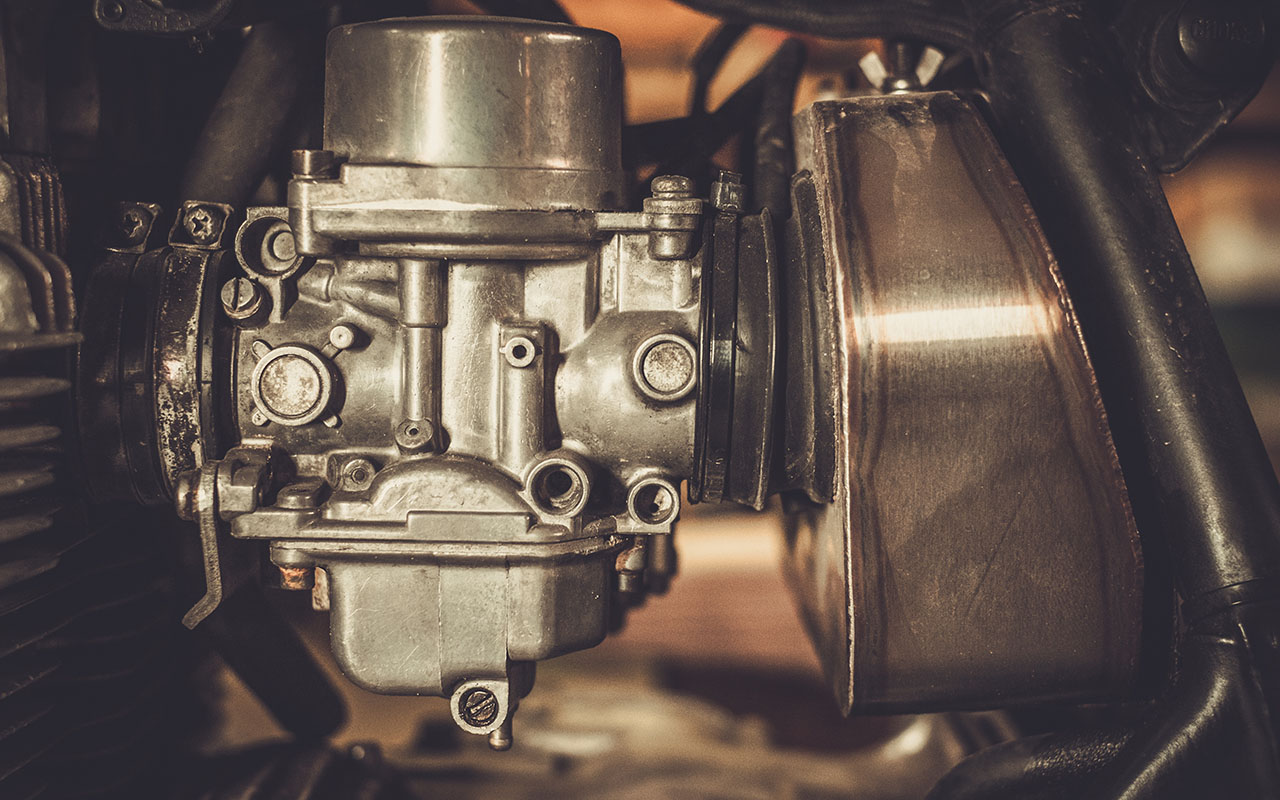
The debate between carbureted and fuel-injected motorcycles continues to spark conversation in garages and alleyways everywhere. One camp reveres simple, old-school tech, while the other embraces efficiency and modern convenience. Both systems deliver fuel to the engine, but they mix air and fuel in very different ways, resulting in distinct performance characteristics.
The shift from carbs to EFI (Electronic Fuel Injection) can feel like an unnecessarily complicated intrusion into a once-simple process. Yet, as more new bikes adopt EFI, traditional carburetors are becoming increasingly outdated and rare.
This quick explainer outlines the differences between the two systems, key maintenance tips, and what to look for when buying a used motorcycle.
How They Work
Carburetors mix air and fuel mechanically using vacuum pressure, jets, needles, and floats. They’re essentially analog fuel mixers that rely on airflow and engine vacuum.
Fuel Injection (FI) uses electronic sensors and an ECU (engine control unit) to spray precise amounts of fuel directly into the engine. It’s a computer-controlled system that adapts instantly to temperature, throttle position, air pressure, and more.
Carburetors: Pros and Cons
Pros
- Inexpensive to repair at home with basic hand tools; no software needed.
- Cheap, widely available parts.
- Easy to tune by adjusting jets or mixture screws.
- Classic analog throttle feel.
- Lower upfront cost when buying a bike.
Cons
- Cold-start issues; often requires choke and warm-up time.
- Less fuel-efficient due to imprecise air/fuel mixing.
- Performance suffers at higher elevations without rejetting.
- Inconsistent fueling; weather and temperature affect performance.
- Higher maintenance: tiny jets clog easily, especially with old or ethanol-blend fuel; requires frequent cleaning and idle adjustments.
Fuel Injection: Pros and Cons
Pros
- Reliable starts in all weather; no choke needed.
- Better fuel economy and lower emissions thanks to precise metering.
- ECU automatically compensates for altitude and weather changes.
- Smoother throttle response and more power from optimized fueling.
- Less routine maintenance; no jets or float bowls to clean.
- Resists gumming up during long periods of inactivity.
Cons
- More complex and expensive to repair; requires diagnostic tools and specialized knowledge.
- Difficult to tune without remapping software or professional equipment.
- Heavily dependent on battery health and electronics.
Maintenance Tips
Carburetors
- Keep fuel fresh: Use a stabilizer or drain the bowls if the bike sits for more than a month.
- Clean jets periodically: Seasonal carb cleaning maintains smooth throttle response.
- Check and adjust idle mixture: Small tweaks to the mixture screw can smooth out idle after temperature swings.
- Inspect rubber components: Replace cracked intake boots, O-rings, and diaphragms to prevent leaks.
- Synchronize multi-carb setups: On twins or fours, syncing carbs improves power delivery.
Fuel Injection
- Keep the battery healthy: A weak battery can cause hard starts and erratic fueling.
- Replace the fuel filter regularly: A clogged filter strains the pump and reduces performance.
- Use quality fuel: Contaminated or cheap gas can foul injectors.
- Listen to the fuel pump: A whining pump may signal a clogged filter or impending failure.
- Clean injectors as needed: Professional cleaning or fuel additives can restore spray patterns.
Buying Tips
Carbureted Bikes: What to Check
- Easy cold starts: Hard starting may indicate clogged pilot jets or low compression.
- Smooth idle and throttle response: Hesitation or surging suggests dirty jets or vacuum leaks.
- No fuel smell or leaks: Worn float needles or cracked hoses can cause flooding.
- Even spark plug color: Uneven coloring points to inconsistent carb performance.
- Stable idle when warm: A wandering idle can signal worn throttle shafts or poor tuning.
Fuel-Injected Bikes: What to Check
- Immediate starts: Difficulty starting may point to injector or pump issues.
- Smooth throttle with no dead spots: Hesitation can mean a dirty injector or faulty throttle position sensor.
- No warning lights: A check engine light means diagnostics are needed.
- Consistent idle: Surging or wandering idle often indicates sensor issues or air leaks.
- Quiet, steady fuel pump: A loud pump is a red flag for future problems.
The Takeaway
Carbureted bikes remain beloved for their simplicity and hands-on appeal, but EFI is quickly becoming the standard on new models. Carbs are cheaper and easier to work on with simple tools, while fuel injection delivers superior efficiency, reliability, and performance.
Choose carbureted if you enjoy tinkering, want easy at-home repairs, and prefer classic analog feel.
Choose fuel injection if you prioritize reliability, efficiency, and modern performance with minimal fuss.
Andrew Cherney
You might also like


